Some vegetables are healthier cooked than raw, say nutrition experts
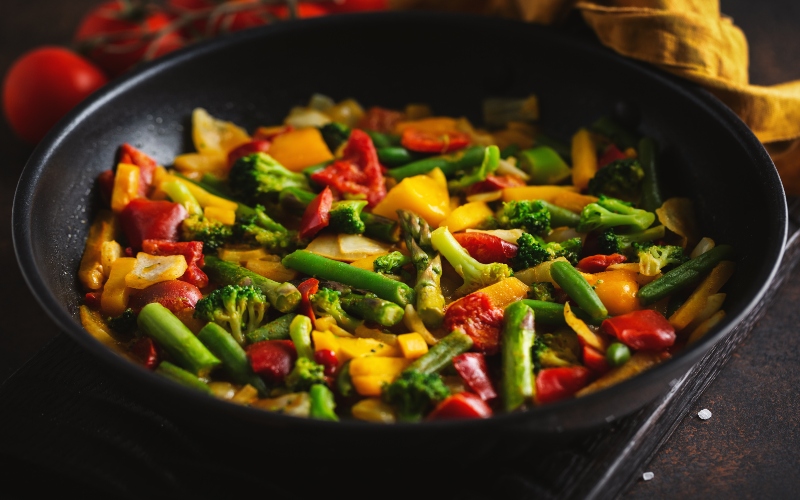
A Nanyuki nutritionist explains why gentle cooking of vegetables like spinach, tomatoes and carrots can boost nutrient absorption, improve digestion and make meals easier on the stomach.
While salads and raw vegetables often dominate healthy eating advice, recent insights from nutrition experts suggest that for certain varieties, gentle cooking can actually unlock more nutrients, improve digestibility, and enhance the body’s ability to absorb essential vitamins and minerals.
According to Nanyuki-based nutritionist Wincate Wangari, cooking smart is key.
“Cooking is not about destroying nutrients; in many cases, it’s about releasing them,” Wangari explains. “Some vegetables have tough cell walls or natural compounds that block absorption. Gentle cooking softens them and makes their vitamins and antioxidants more available.”
Vegetables that benefit from cooking
1. Spinach and kale
Light steaming of these leafy greens reduces oxalates, compounds that can inhibit calcium and iron absorption, while retaining most vitamins.
“Steamed spinach or kale can provide more usable minerals for the body than raw leaves,” Wangari told The Eastleigh Voice on Wednesday.
2. Carrots, pumpkin, and sweet potato
These vibrant vegetables are rich in beta-carotene, a precursor to vitamin A.
Cooking breaks down cell walls, making carotenoids easier for the body to absorb. When sprinkled with a drizzle of healthy fat, such as olive oil, it further enhances nutrient uptake.
3. Tomatoes
Heat transforms lycopene, a powerful antioxidant linked to heart health and cancer prevention, into a form that the body absorbs more efficiently.
Oven-roasted or stewed tomatoes, Wangari says, can be more potent than fresh slices.
4. Broccoli and cabbage
Gentle steaming preserves most antioxidants while making tough fibres easier to digest.
“You want them tender, not mushy,” Wangari advises.
“That way, you get the benefits without the harshness on your stomach.”
5. Beetroot
Light roasting or steaming concentrates antioxidants and natural sugars, improving both flavour and nutrient absorption.
6. Onion, garlic, and eggplant
Cooking these vegetables softens their sharp flavours, enhances digestibility, and can increase antioxidant activity.
Wangari points out that stew or sauteing can be more nourishing than raw preparations for many people.
“It’s about balance. This is because overcooking can destroy water-soluble vitamins like vitamin C and folate. So light steaming, roasting, or sauteing is ideal,” says Wangari.
“The goal is simple: make vegetables accessible, digestible, and enjoyable, and in many cases, that means letting the heat do its work.”
Top Stories Today